
What Can Go Wrong With (707) 748-0683 and How to Handle It
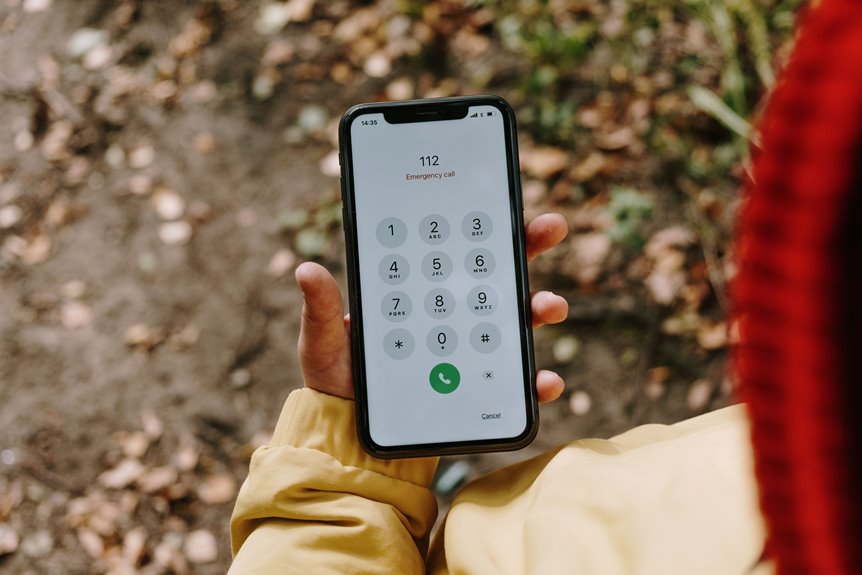
Calls from (707) 748-0683 can mislead or expose data via misdials, spoofed identities, or unverified intents. Relying on Caller ID risks phishing and credential exposure; verifications must use verifiable details, not surface cues. Quick steps help reclaim control, but persistent threats demand stronger precautions. Tactics exist to reduce risk, yet gaps remain that warrant ongoing attention and careful contact management to avoid future compromises.
What Can Go Wrong When You Call (707) 748-0683
Potential issues when calling (707) 748-0683 include misdialed numbers, wrong organization, or unverified contact intent. Insecure communication can expose data and invite a data breach. Phishing risk rises if callers share sensitive details or credentials. The detached observer notes caution: verify identity, confirm purpose, and limit information shared. Freedom hinges on disciplined verification and concise, protective call practices.
How to Verify Who’s Calling Without Relying on Caller ID
To verify a caller’s identity without relying on caller ID, adopt a structured confirmation approach: ask for verifiable details that the organization would know, such as the last four digits of an account number, a recent reference ID, or the name of a supervisor the caller claims to represent. This supports verify caller, spoof protection, and reduces risk.
Quick Fixes to Reclaim Your Inbox and Time
Quick Fixes to Reclaim Your Inbox and Time offer practical, preventative steps to reduce clutter and interruptions. A detached approach highlights disciplined habits: filter messages, set boundaries, and unsubscribe efficiently. It identifies blocked numbers, phishing risks, unclear content, and spoofed calls as red flags. These measures preserve freedom by minimizing distractions, protecting focus, and streamlining communication management without compromising essential contacts.
Proactive Protections and Long-Term Safeguards for Your Number
Proactive protections and long-term safeguards for a phone number focus on durable defenses that reduce exposure to unwanted calls and scams.
The approach emphasizes privacy safeguards and robust verification methods to deter impersonation and data leakage.
Regular updates to account settings, authorized contacts, and app permissions reinforce resilience.
Citizens gain freedom through consistent monitoring, clear recovery steps, and disciplined avoidance of risky sharing practices.
Frequently Asked Questions
How Can I Report Suspicious Calls to Authorities Efficiently?
Reporting suspicious calls efficiently involves using established reporting channels and preserving evidence gathering details. A detached observer notes that documenting times, numbers, and call content aids authorities while maintaining personal privacy and personal freedom during proactive prevention.
What Should I Do if My Number Is Spoofed?
A 2019 study found spoofing incidents rose by 4,000% in a decade. If his number is spoofed, he should pursue caller verification and adopt spoofing remedies, documenting calls and blocking suspicious contacts to protect personal freedom and safety.
Can Spam Calls Affect My Voicemail Security?
Yes, spam calls can threaten voicemail security. Employ spam filters, enforce caller verification, deploy spoofing defenses, and practice voicemail recovery steps to minimize risk and protect personal messaging freedom.
How Do I Set up Call Blocking Across Devices?
Call blocking can be set up across devices via system-wide or carrier tools; device setup should sync preferences. Voicemail security benefits from blocking unknowns and number spoofing controls, reducing spam risk while preserving personal freedom to communicate.
Is It Possible to Recover Lost Voicemail Messages Quickly?
Yes, but not always: lost voicemail can be recoverable with backups or carrier tools, yet spoofing risk persists; quick recovery is possible only if messages are preserved, diligently backed up, and securely accessed across devices for freedom-loving users.
Conclusion
A cloak of uncertainty clings to unfamiliar calls, like a shadow slipping through a doorway. The number becomes a keyless door, inviting both seekers and thieves. Yet vigilance is the compass, and verification the lantern: demand last-four digits, reference IDs, and supervisor names, not trust in Siren-like IDs. Shields—filters, unsubscribes, and updates—form a sturdy wall. With deliberate habits and cautious sharing, the door stays closed to danger, open only to genuine, verifiable contact.


